
The first 6 weeks, and improving conception rates to first service.
At this time of year, on both Dairy and Suckler farms thoughts are firmly on breeding, for the majority Calving is fully complete, for those that AI their cows, the matches are made, and for others the Bull has been given his NCT for another year, and / or a new man has arrived on the scene!
From here on it’s about the fine details that can support the establishment of strong pregnancies in your herd, in as compact a manner as desired. That takes preparation, and precision.
Hopefully by now a lot of cows will have been actively cycling before your planned start date but what drives the resumption of cyclicity? For me it comes down to a few key points:
- Smooth Calving – a critical point for cows, hopefully minimal intervention was required at calving time, and even still some cows can be observed as visually ‘dirty’ for prolonged periods post calving, often from delayed uterine involution – the process of the Uterus returning to its normal size ( around the size of a football, vs something that stretched to house the full term calf at anywhere from 40 to 60kg plus accompanying fluids and placenta which often means over 100kg of contents ) Part of this process relies on strong muscle tone, but also energy levels. Muscle tone will be helped or impaired by Magnesium, Calcium, Potassium and Sulphur status of the cow, and of the diet both pre and post calving.
- Energy Intake – in freshly calved cows, and especially in first calvers, smaller cows and high milk volume cows there can be a significant energy gap in early lactation known as Negative Energy Balance, and if it is sever enough it can become sub acute or even clinical Ketosis – where the cow is ‘milking off her back’ in other words, she is using her body reserves to bridge the gap between what she is consuming and what she needs to support her production and maintenance requirements. Ensuring this gap is minimized, because generally it is unavoidable to some degree, will support her ability to resume cyclicity. Remember, Mother Nature will tell the cow that it is unwise to try to reproduce if she is struggling to feed herself.
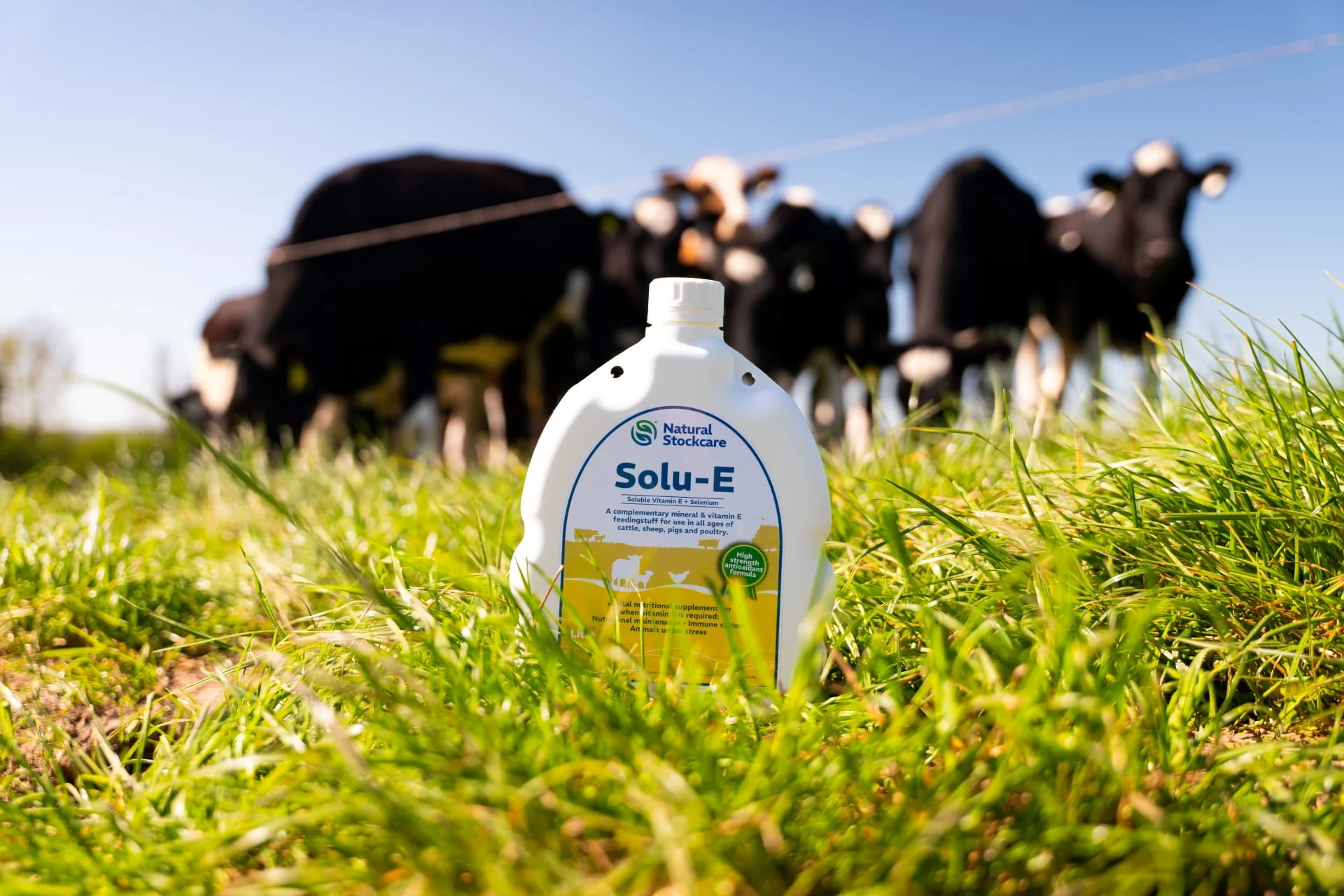
- Mineral, Trace Element and Anti Oxidant status – these three are always closely linked, and in some cases such as Selenium and Vitamin E, they are perfectly matched in their ability to support antioxidant status. The key is finding the balance in their status, not leaving them short in any trace element or the key Vitamins, but also not causing any toxicity issue, it is here that building a picture of Soil, Forage and individual or group mineral status will help you to find the optimal supplementation method, and the most suitable product.
All of these things will help you to move your herd from ‘post calving recovery mode’ to breeding ready status in good time, thus giving you the best chance of high fertility status, tighter calving windows, and fewer headaches this breeding season. Of course ideally these things will have been considered at least a month pre breeding, however failing that, the next best time to start is right away, as it can be quite demoralizing to find out in the middle of the season, so be prepared, and be precise!